Im always asked if Im qualified. Have they never seen a young Black man?
Doctoral Education
Corporate Leadership
Taught College & Grades 6-12
Education
Click here to learn more about my education progress.
Bachelor: Professional Writing, minor in Literature
— Allen University

Master: Rhetoric, Writing, & Technical Communications
— East Carolina University

Doctor: Applied Learning Sciences & Human Development
— University of Miami (current)



Corporate Leadership
Click here to learn more about my Corporate experience
As a Corporate Administrator– of corporate development, institutional advancement, program management, and user experience– I bring a unique blend of expertise that spans learning and instructional design, technology infrastructure, and accessibility compliance. My work is driven by a commitment to enhancing usability, debunking misinformation, and ensuring products are designed with the user in mind.
With a strong foundation in data management, program assessment, and compliance, I am well-equipped to support the effectiveness and compliance functions within institutions. My experience includes creating and managing data reports and dashboards, coordinating academic program assessments, managing budgets ranging up to $2.2 million, and ensuring alignment with institutional and governmental compliance regulations.
I thrive in detail-oriented environments where my skills in data analysis, report preparation, and stakeholder collaboration can contribute to institutional success. Whether it’s through enhancing learning experiences, optimizing technology use, or ensuring compliance, I am dedicated to driving continuous improvement and achieving strategic goals.
Core Competencies:
Technical Writing
Product Strategy & Operations
Learning & Instructional Design
Technology Infrastructure & Reliability
Accessibility (ADA) & 508 Compliance
Program Management & Compliance
Data Analysis & Reporting
User Experience – UX & User-Centered Design
Some Software Proficiencies:
SQL | Confluence | SAP | Adobe Suite | Sketch | Jira | Figma | MadCap Flare | UXPin | UXTesting

Teaching & Administrative Experience
Click here to learn more about my Education/ Teaching experience.
Teaching allows me to assist scholars through their critical thinking processes. The experiences students have in and out of the classroom shape their perspectives. Every interaction with each scholar is taken with great respect. I recognize them as humans and understand that they have a life outside of school. I do not want to be another hurdle in their life but an agent in helping them pursue their short and long term goals; I seek to be an agent of education and change. None of my scholars or mentees fully have the ability to change their past or the systems they were born in. Treating them as humans, people who are constantly learning, and individuals who are maneuvering in these preset systems are what make the connections to all of my students strong. I’ve taught at every level of academic education, with the exception of elementary education. I’ve also worked in corporate learning and development in various Learning & Development departments.

Doctoral Research Questions
Click here to learn more about my research areas.
Research Questions:
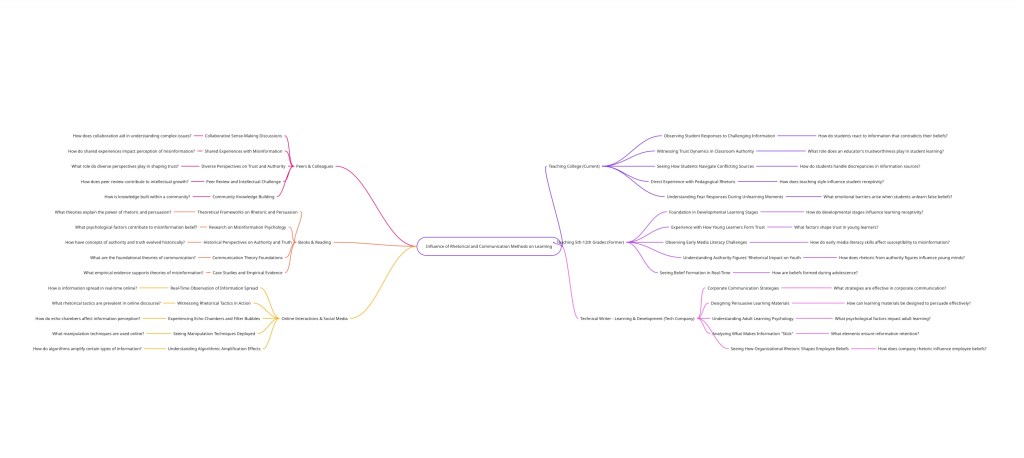
Overall question: How do rhetorical and communication methods—particularly those used by trusted individuals and amplified through social media—shape what learners are willing to learn or unlearn, influence their susceptibility to mis/dis/mal-information, and affect their emotional and intellectual responses when confronting or dismantling false beliefs about authority and truth?
Sub Questions:
-How does social media impact what you have and are willing to learn? How will they impact your unlearning?
-How has the Rhetorical and Communication methods of the important people in your life led to you believing mis/dis/mal-information?
-What Rhetorical methods are easy to fall for, even when what is being communicated is false? Does this impact learning?
-Who has intellectual authority? How can we analyze and determine the appropriate people to have this authority?
-What Rhetorical/Communication methods or actions should be taken when learners experience fear during the unlearning process– specifically when learners are presented with information that go against what they have been told by those they trust?
-How do learners respond to realizing that those who they trusted have used harmful Rhetorical and Communication methods to manipulate, hurt, or harm them— whether knowingly or not; whether intentionally or not?
-How do learners respond to realizing that those who they trusted have used harmful Rhetorical and Communication methods to spread misinformation, disinformation, and/or malformation?

- artificial intelligence,
- neuroscience,
- anthropology,
- psychology,
- philosophy, and
- linguistics.

Research in General
Click here to learn more about my research areas.
Wiggins, with a background in Technical Communications and Applied Learning Sciences, focuses his research on the intersections of intellectual authority, unlearning, critical pedagogy, and socio-cultural rhetorics. His work interrogates the rise of pseudo-intellectualism, the ethics of expertise, and the ways authority is constructed and perceived in academic and public discourse.
He also explores how epistemic responsibility influences knowledge production, particularly in digital and educational spaces, while integrating concepts like Mbongi to enhance collaborative learning. Additionally, his research examines environmental rhetorics, AI’s impact on knowledge systems, and the role of bias in healthcare and social narratives, bridging academic theory with real-world application.
Cognitive and Learning Sciences are guided by several interdisciplinary foundations, including
- artificial intelligence,
- neuroscience,
- anthropology,
- psychology,
- philosophy, and
- linguistics.
Adjacently, he investigate the impact of accessibility standards, such as ADA and 508 compliance, on learning outcomes, as well as strategies for leveraging UX principles to enhance educational tools and environments.
Note: I must acknowledge the CCCC Black Technical and Professional Resource Guide and it’s contents. The information and resources in this guide provide a foundation to much of the knowledge I engage in for research and with my work.

Courses I Teach
Click here to learn more about the courses I can teach.
- American Literature
- Medical Rhetoric
- Grant Writing
- African American Literature
- Technical & Business Writing
- Journalism
- Composition & Rhetoric
- User Experience
- Masculinities & Femininities in Literature
- Cult Rhetorics
- Accessibility & TechComm
- Humans & Technology
- Blacks & the Bible
- Political Rhetoric
Insight on Courses Taught
Composition and Rhetoric (Eng 1101)
Gwinnett Technical College
Noteworthy Information
- Designed inquiry-driven writing sequences where students developed arguments by tracing how public conversations evolve across genres—news, social commentary, academic analysis, and community texts.
- Implemented workshop-based rhetorical labs that focused on audience awareness, stance, and voice, using real-world discourse communities as models for purposeful writing.
Workplace and Technical Writing
Noteworthy Information
- Created COVID-19–era communication simulations where students practiced drafting emergency protocols, shift-transition memos, and health-safety updates—training them to write with clarity and urgency during rapidly changing operational conditions.
- Designed remote-operations writing exercises where students adapted standard workplace documents—like checklists, reports, and instructions—to formats suitable for socially distanced workflows, ensuring continuity and precision despite disrupted communication channels.
American Literature
Noteworthy Information
- Integrated multimodal “literary mapping” projects where students used digital tools to trace how geography shaped narrative voice and identity in U.S. texts.
- Used micro-seminar circles with rotating student facilitators to cultivate collaborative interpretation and democratic discourse.
British Literature
Noteworthy Information
- Implemented a genre-remix assignment where students reimagined canonical British texts (e.g., turning sonnets into podcasts) to deepen understanding of form and audience.
- Used corpus-based language analysis tools to help students examine linguistic shifts across British literary periods.
World Literature
Noteworthy Information
- Designed global literature “case studies” that paired contemporary issues with texts from corresponding regions, promoting culturally sustaining inquiry.
- Facilitated virtual exchanges with classrooms abroad, enabling students to compare interpretations of shared readings in real time.
Composition and Grammar
Noteworthy Information
- Ran pattern-awareness revision workshops where students annotated their own drafts to identify recurring rhetorical habits, enabling self-regulated improvement without external tools.
- Built a “linguistic flexibility” module that taught grammar through contrastive analysis of Standard American English and students’ home dialects to promote inclusive language instruction.

Academic Lineage
Click here for my references.
Undergraduate: Thank you Allen University for giving the young emerging scholar a chance. Thank you Dr. Catherine Adams for teaching me African American literature, Advanced Composition, and the thought of ‘Know Thyself’. Thank you Dr. Fayaz Kabani for teaching me Creative Writing, Contemporary Poetry, and Romantic Literature. Thank you Dr. Kevin Trumpeter for teaching me American Literature, Journalism, and Contemporary Fiction. Thank you Dr. Connie Chic-Smith for teaching me Business & Technical Writing and Hip-Hop Culture & Rhetoric. Thank you to the Late Mrs. Jamey Bradford-Kinard for teaching me Professional Writing.
Graduate: Thank you East Carolina University for enhancing my knowledge to research and the field. Thank you Dr. Erin Clark, Dr. Brent Henze, Dr. Guiseppe Getto, and Dr. Matt Cox.
Doctoral: Thank you University of Miami for enhancing my knowledge to research and the field. Thank you Dr. Jennifer Krawec, Dr. Chakeia Andrews, Dr. Bruce D. Baker, and Dr. Luke Hobson.
Some of my other personal reading materials include The Ethos of Black Motherhood by Kimberly Harper; Environmental Racism and its Assault on the American Mind by Harriet Washington; Becoming a Writing Researcher by Blakeslee & Fleischer; James Baldwin, bell hooks, Richard Wright, Gloria Naylor, Audre Lorde, Octavia Butler, George M. Johnson, and many other authors/ researchers that occupy the spaces of my bookshelves. The writings of these researchers and authors detail the experiences of people in various communities– whether you can identify with them or not. I seek to understand the human side of people and empathize with their experiences, while providing a critical response.

Research Interests Logic Model
This logic model represents a framework for integrating Applied Learning Science and African American Studies into the field of Technical Communication. It outlines how each area of technical communication—such as information design, UX, accessibility, and policy writing—can benefit from the combined insights of these two disciplines.
Overall, the model emphasizes a justice-centered approach to technical communication—where content is not only clear and usable, but also culturally aware, ethically grounded, and responsive to the needs of historically marginalized communities.
Click Here to see the logic model.
| Tech Comm Area | Applied Learning Science | African American Studies | Joint Impact |
|---|---|---|---|
| Information Design | Cognitive overload | Recognizes gaps in access to information | More equitable, readable, user-friendly documents |
| Instructional Design | Active and spaced learning | Community pedagogy, oral traditions | Engaging and inclusive training materials |
| UX Design | Empathy-based design | Critique of biased tech systems | Human-centered design inclusive of Black users’ experiences |
| Knowledge Management | Schema-building and memory | Questions erasure and classification systems | Better organization that includes Black knowledge and naming conventions |
| Policy Writing | Case-based learning, clarity | Historical inequities in language and regulation | Fair, transparent, and historically aware policy communication |
| Accessibility | Neurodiversity, UDL | Cultural and linguistic access | Truly inclusive content for all bodies and identities |
| Content Strategy | Iterative design, audience testing | Cultural ownership and anti-erasure | Culturally responsive and community-driven content strategies |
| Localization | Prior knowledge, context transfer | Global Black perspectives | Localization that respects and includes African diasporic identity |
| Ethics & Trust | Safe learning environments, transparency | Focus on justice, power, and voice | Responsible and liberatory technical communication |
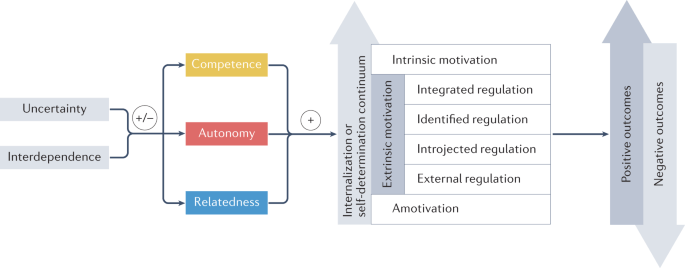
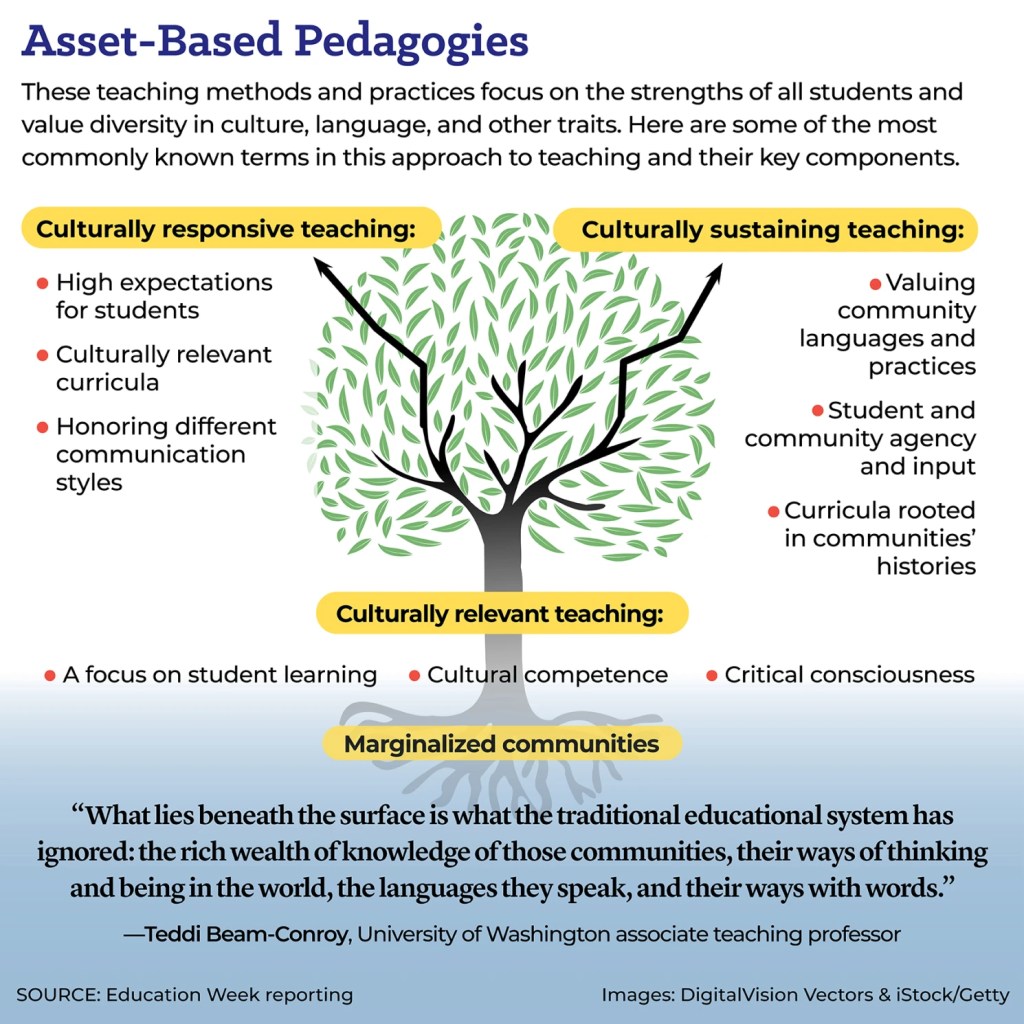
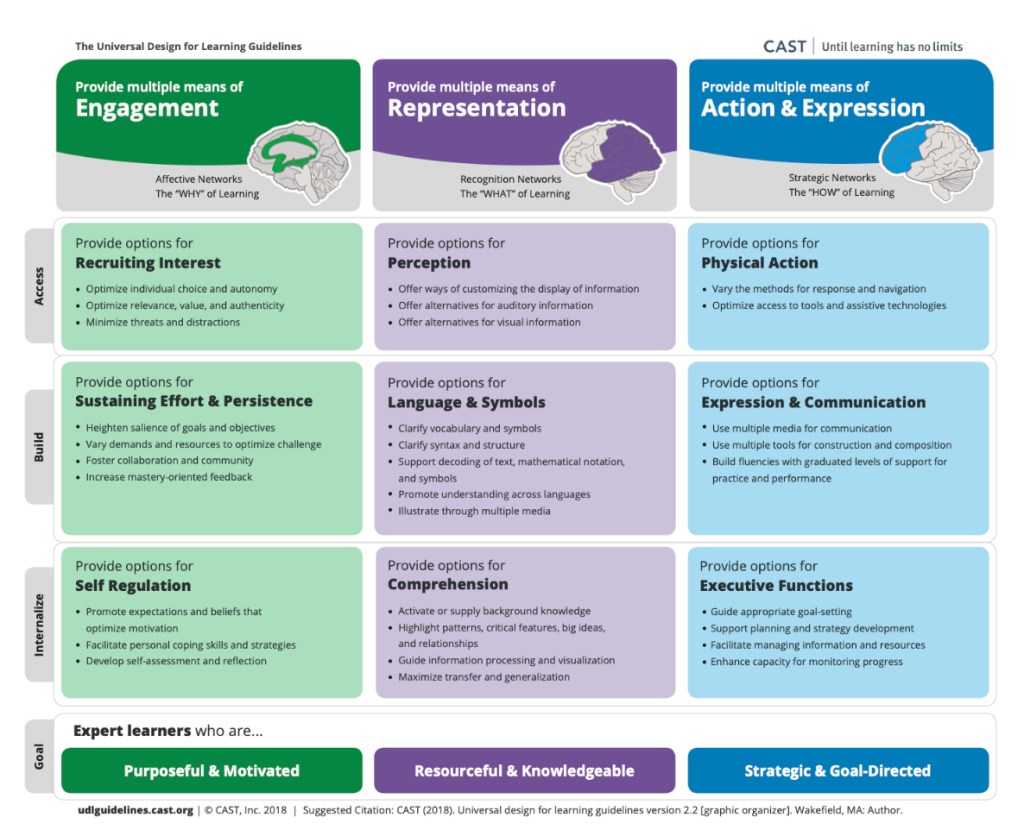
My Research and Learning Ecology
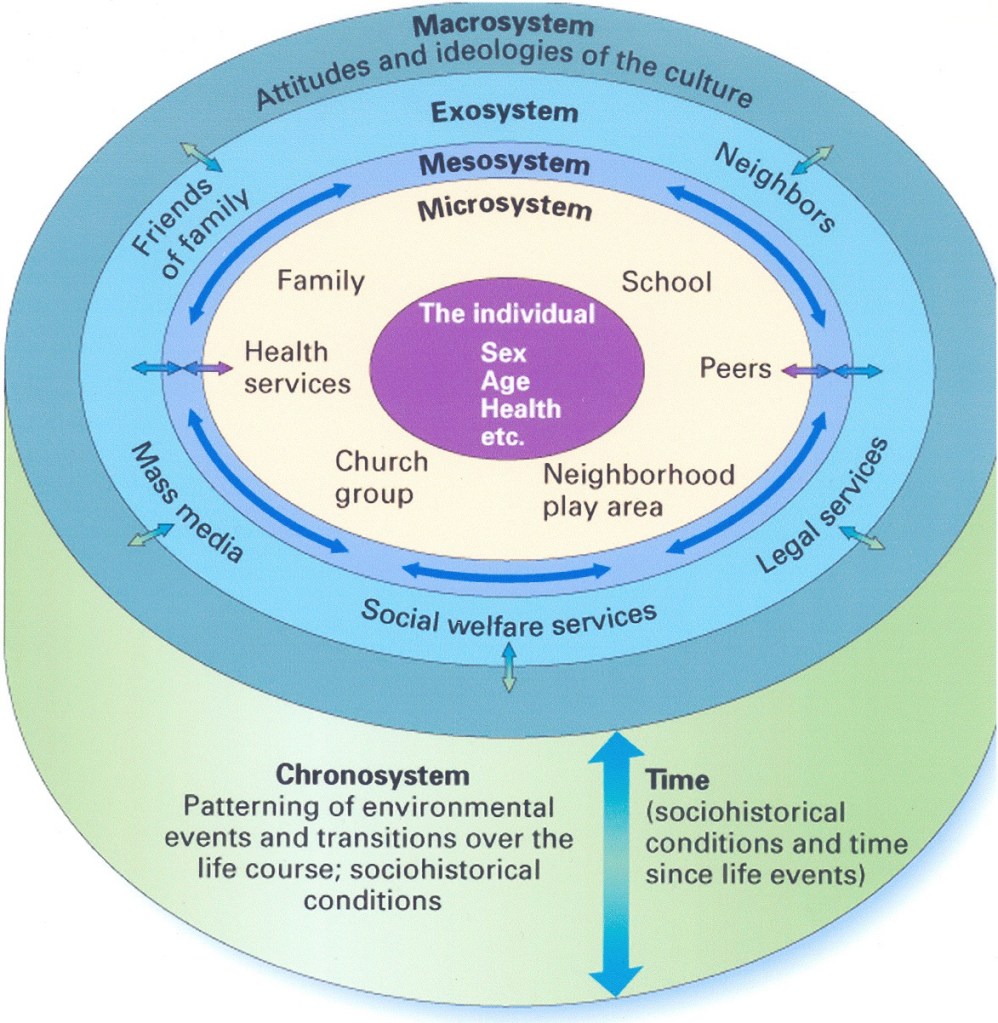
Theories and Models that Support My Research Interests



 Jordan Wiggins